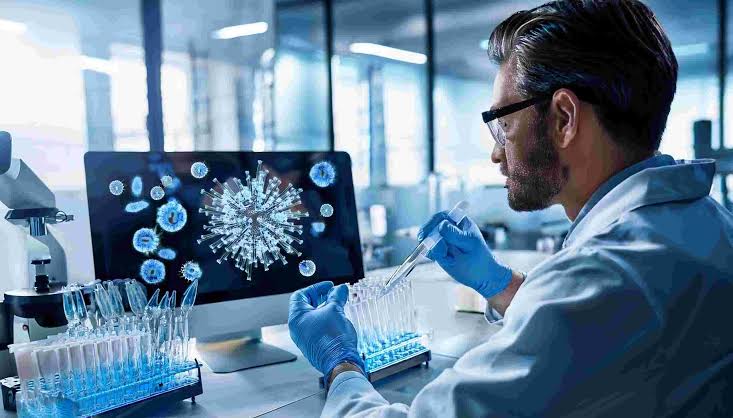
A modern cell technology laboratory is a space where biological material is studied, the required cells are isolated, grown under controlled conditions, and checked before further use. Not only the equipment and qualifications of specialists are important here, but also strict control of cleanliness, temperature, medium composition, and sample quality. Information about the areas of cell technologies and approaches to working with biological material can be found on the website https://stemplus.clinic/, where information on this topic is presented. The laboratory operates according to clear protocols, since even a minor violation of conditions can affect the state of the cells and the reliability of the result.
How Biological Material Enters the Laboratory
The work begins not with growing cells, but with the proper collection and preparation of the material. The sample must be labeled, registered, and delivered under the conditions specified by the particular protocol. At this stage, specialists check the integrity of the packaging, the collection time, and the accompanying information.
The process usually includes several consecutive steps:
- Registration of the sample and assignment of a unique laboratory number.
- Initial assessment of the condition of the material and its suitability for further work.
- Preparation of the sample and isolation of the required cell fraction.
- Transfer of the cells into a suitable nutrient medium.
- Placement of the culture under controlled conditions.
This system reduces the likelihood of samples being mixed up and makes it possible to trace every stage of the work. For the patient or customer, traceability is especially important: the laboratory must understand where the material came from, how it was processed, and what checks it underwent.
Under What Conditions Cells Are Grown
Cell culture is very sensitive to the external environment. Therefore, cells cannot simply be placed in an ordinary container and left to grow. Special incubators, sterile consumables, and nutrient media containing the required components are used.
For many cultures, parameters close to the conditions of the human body are maintained:
- a temperature of about 37 °C;
- a controlled carbon dioxide concentration, often around 5%;
- high humidity inside the incubator;
- a stable acid-base balance of the nutrient medium;
- absence of bacterial and fungal contamination.
The specific parameters depend on the type of cells and the laboratory protocol. Specialists regularly examine the culture under a microscope, monitor cell shape, growth rate, and the condition of the medium. If signs of contamination or abnormal growth appear, the material requires additional testing.
How Sterility Is Maintained
One of the main problems in a cell laboratory is contamination, meaning the entry of foreign microorganisms into the culture. Bacteria, fungi, or mycoplasma can quickly change the condition of the cells and make the research results unsuitable.
Therefore, work with open cultures is carried out in special cabinets with a directed flow of purified air. Personnel use protective clothing, gloves, and disposable materials, while work surfaces are regularly disinfected.
In addition, rooms are divided according to their purpose. Material collection, culture growth, reagent storage, and laboratory control are carried out in separate work areas whenever possible. This reduces the risk of transferring contamination between samples.
How the Laboratory Controls Cell Quality
The fact that cells are growing is not enough. Before the next stage, it is necessary to confirm that the culture meets the established requirements. The set of tests depends on the intended use of the material, but quality control usually covers several key indicators.
Specialists may assess cell viability, quantity, appearance, the presence of specific surface markers, and microbiological purity. For some technologies, additional genetic or functional studies are also carried out.
Viability is often expressed as a percentage: the laboratory determines the proportion of living cells in relation to the total number in the tested sample. The obtained figures are evaluated not on their own, but according to the requirements of the specific method.
How Cells Are Stored for Long Periods
If the material needs to be preserved, cryopreservation is used. The cells are prepared with protective solutions, gradually cooled, and then placed under ultra-low temperature conditions. Cryostorage facilities may use liquid nitrogen at a temperature of about −196 °C.
Proper freezing is just as important as subsequent thawing. A sudden change in conditions can damage cell membranes. Therefore, laboratories use standardized procedures and continuously monitor the storage temperature.
A modern cell technology laboratory is an entire system in which the result depends on the accuracy of every stage, from receiving biological material to cultivation, quality control, and storage. Reliable work requires trained personnel, specialized equipment, sterile facilities, and documented protocols. It is the combination of these factors that makes it possible to work with cell cultures predictably and obtain reproducible results.